
Master the three primary forms and understand the foundational skills and techniques to unlock your full potential on the Potters wheel
Taught by a Master Potter
Over 45 years of training potters
Advice for each step of the way
Access to videos and resources for life
Study at your own pace
Learn core skills and unique finishing tips
« I created this online course to teach you the necessary core techniques, with skills to obtain a higher quality in your work, and become more efficient, for you to successfully throw any shape your heart desires ."
- Matthieu Liévois, Master Potter for over 45 years, founder of the Creamik school
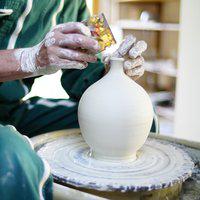
Throwing - The Primary Forms
$125
Access 4hrs of video tutorials
Acquire solid technical skills
Step by step guidance, with a teaching method and tips developed over 15 years
Progress at your own speed
Exclusive Deal: Technical drawing add-on to improve your shapes
"It's wonderfully well explained, with a lot of kindness and professionalism. The attention to detail in the techniques is really impressive, I'm truly delighted. Thank you for sharing your expertise. With all my gratitude."

Hélène
Online Student
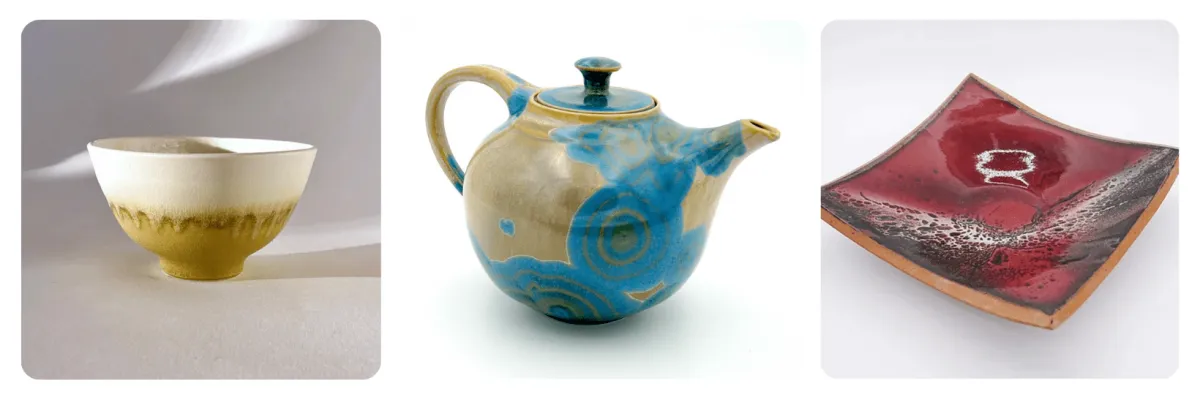
With this course, you will learn...
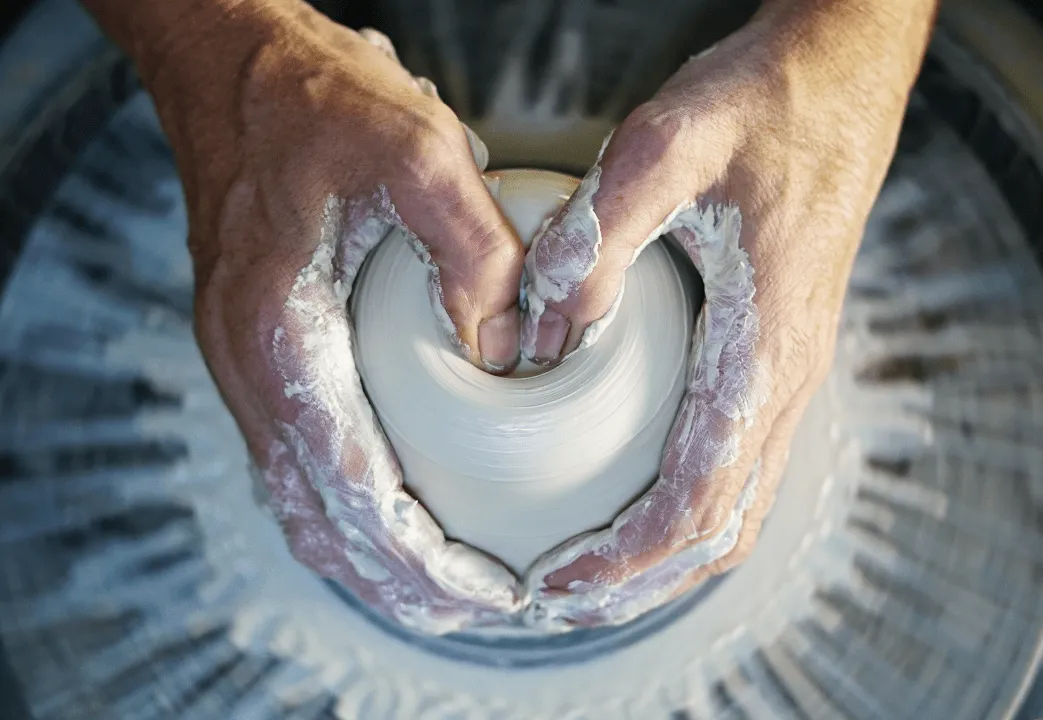
The foundations of throwing
How to choose the right clay, tools, and set yourself up
Posture, the underrated ability to position yourself, with adjustments tips to fit your body type and avoid injuries, and to set good habits
Following a diagram to throw shapes with a clear vision and improve your precision
Master the art of centering, the stepping stone to everything else in pottery
How to throw the Three Primary Forms: Cylinder, Bowl and closed ball, from which all other shapes stem
Trimming the primary forms for a perfect finish
Content valued at $750
4100 students and growing
The students' experiences is at the heart of everything we do. Their words reflect the passion, fulfillment, and creativity they uncover in our courses.
Hello to the whole Créamik team, I just wanted to tell you that I'm very, very happy with the course I recently purchased. Everything is clear and concise, and I'm learning a lot. Thank you very much.
Michelle
Online Student
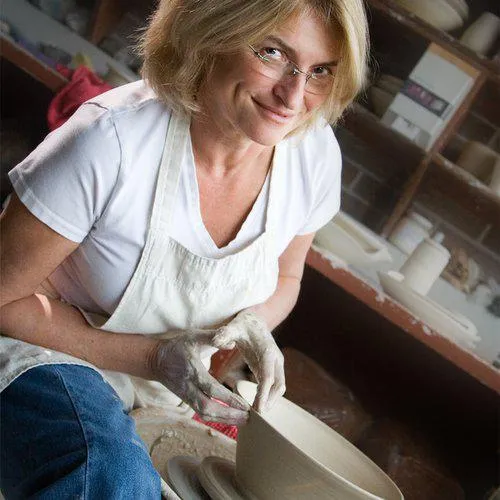
The Creamik program is very interesting and really well done. It’s teaching me more than I ever thought I would know. I’m understanding so much more ... By the way, I’m 74. This isn’t easy but it’s fascinating.
Rose-Marie
Teacher, former Student
"Thanks to your intermediate throwing course, I passed the National ceramics certification exam. Thank you. I am a teacher by trade and I find that you are the most educational potter I have ever listened to and watched. Thank you."

Marc
Online Student
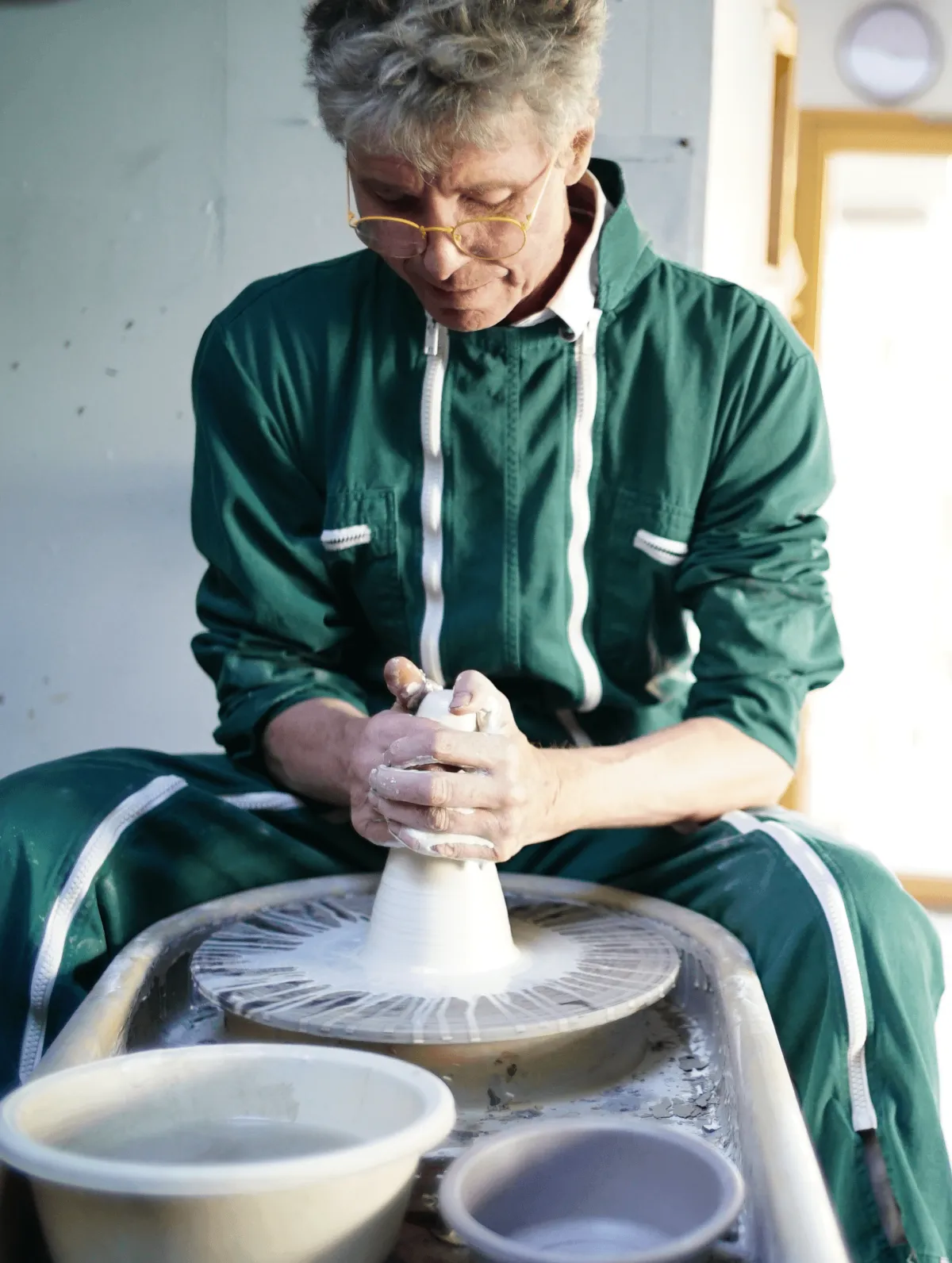
Control of the body to allow creativity to run free...
❝Throwing is a technically impressive skill:
You come into contact with clay, and in just a few minutes, it forms a piece with balanced and subtle curves. But the magic only happens if you don't use forced gestures, which will tire you out and cause muscle and joint pain.
In this course, you'll learn all the techniques I've honed over my 45 years of experience, so you can also create the most beautiful pieces you've imagined. You'll learn the correct positions for your hands, as well as elbows, hips, and torso, using a very progressive method to establish a solid technique that allows you to throw pieces of all sizes. Whether you're a beginner or advanced, taking this class will allow you to make great progress toward your creative goals.❞
Matthieu Liévois, potter-ceramist
Frequently Asked Questions
What does lifetime access means?
This means that the course you buy is yours: you can log in to the member area of the website and watch the videos as often and for as long as you want, without ever having to pay any additional fees.
(We also strongly recommend that you watch the videos several times to fully immerse yourself in the content!)
Any additions or improvements to the course in the future are also included in your purchase: you will have access to them without having to pay anything more.
Do I need to have basic knowledge to take this course?
No. No prior knowledge is required to take this course.
What equipment do I need?
The basics course will teach you how to perfectly execute the three primary forms on the wheel, the cylinger, the bowl and the closed ball.
The advanced course covers, amYou will need a pottery wheel and a basic throwing kit (rib, trimming tool, needle tool, loop tool, wooden spatula, sponge, and a wire cutter). All throwing tools are presented in detail within the course.ong other things, the influence of clay on glaze, the different types of kilns and the choices you have when buying one. It demonstrates all the techniques for applying glaze to pottery: with a brush, dipping, or using a spray gun. These are important things to consider when purchasing your clay and equipment and are very helpful to know when you are starting out.
How much does a pottery wheel cost and where can I buy one?
A high-quality pottery wheel in France costs at least 1,000 euros. You can purchase one from various suppliers such as Céradel, Solargil, La Como, Cigale et Fourmis, or Les Cousins. (To learn effectively, we recommend an electric wheel; avoid kick wheels as they add significant difficulty! Please check with your local ceramic tool providers.
Do I need a special electrical installation to run a pottery wheel?
No, you can simply plug a pottery wheel into a standard electrical outlet.
Can I become a professional ceramicist through an online throwing course?
An online course is an excellent way to start or to complement in-person training. However, it is not enough on its own to become a professional, as getting direct feedback on your work is essential.
Do you also offer online glaze courses?
Absolutely! We offer a Complete Glaze Course that guides you through the world of high and low-temperature glaze making. You can find all the information at creamik.com.
Do you talk about the hazards of the products?
Yes! We describe each product, with its qualities and its downsides, including the hazards of handling them and the use of glazes when you make dishes that will hold food.
Overall, when it comes to dishes that will be used for food, the main danger is a matter of proportion between the products (the glaze must be impervious to weak acids, such as lemon juice or vinegar in a salad dressing).
In short, at least 3 moles of silica are needed for 0.3 moles of alumina in a formula, so that the glaze can be used for dishes. Don’t worry if you don’t understand this answer; everything is explained in the course…
Do I need a kiln to take this course?
No: to begin with, you can find a ceramist or a ceramics centre that will rent their kiln; this is quite common.
You should suggest that they fire a sample of your clay and your glazes first to build trust : low-temperature clay or glaze in a high-temperature kiln can cause significant damage to the kiln. If the potter tries a sample first, they can make sure you have not made a mistake in temperature, without taking any risks for their kiln.
Watching the course before buying a kiln will also allow you to be sure you make the right choice when you purchase one, since an entire video of the glazing course is dedicated to describing the types of kilns, including their advantages and disadvantages.
+4100
students online
+300
Professional ceramicists trained

10k
followers on Facebook,
+ 10K on Instagram

320,000
vues sur Youtube