
SPECIAL SALE : 20% OFF - ACT NOW!
Master glaze creation and technique to get beautiful, consistent and repeatable results.
Learn at your own rhythm
Learn unique artistic effects and finishes
Step-by-step guidance
Master with 45 years of experience
Expert-led glaze lessons
Lifetime access to videos and resources
"From Beginner to Professional, mastering the glazing of your pieces will give you the freedom of limitless creativity while cutting your costs and making your work completely unique."
- Matthieu Liévois, potter for 45 years and founder of the Creamik School
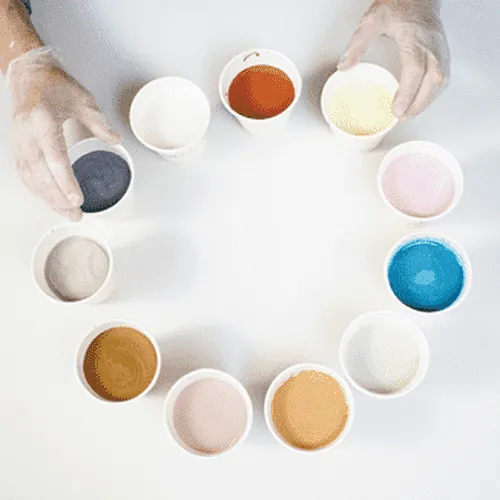
Full glazing course at 20% OFF
$396
Access to 12 hours of video lessons including The Basics (6 hours) + Advanced (6 hours): the result of 45 years of in-depth research in glazes
Bonus 2h tutorial on how to use Glazy
Summary PDFs and exercises to download
Access to a community so that you never feel lost again when faced with a defect on your pot
"I'm enjoying the glaze class and find it systematic and comprehensive. I have not been able to find an online course like this in the United States. I highly recommend it to my fellow potters. Thank you for challenging us to learn and all the hard work you've done for these courses. I very much appreciate it."
Michelle
Online Student
20% OFF
$495
Only $396
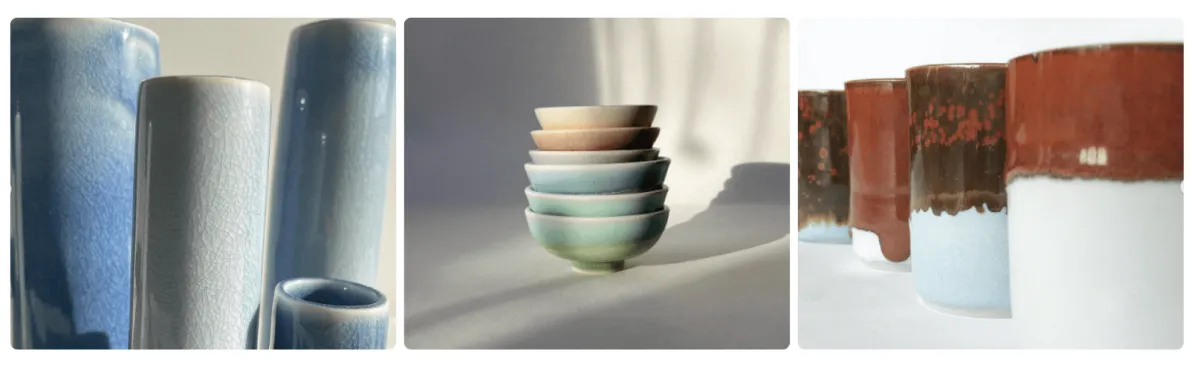
With this course, you will learn...
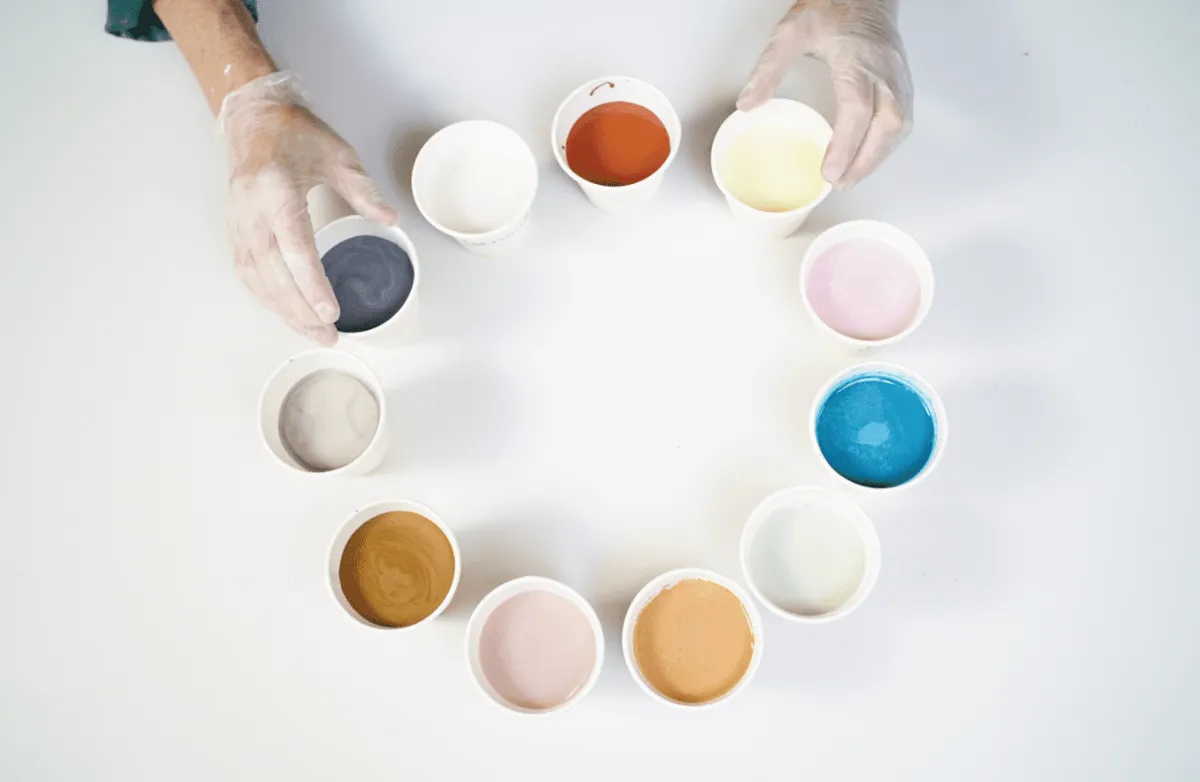
Glazes
The basics
Unlock the secrets behind glaze chemistry
Transform raw materials into unique recipes
Discover unique colours and textures to make your work stand out
Experiment fearlessly and find your signature style
Master firing techniques that elevate your work
Access rare resources to keep pushing creative boundaries
Value: $995
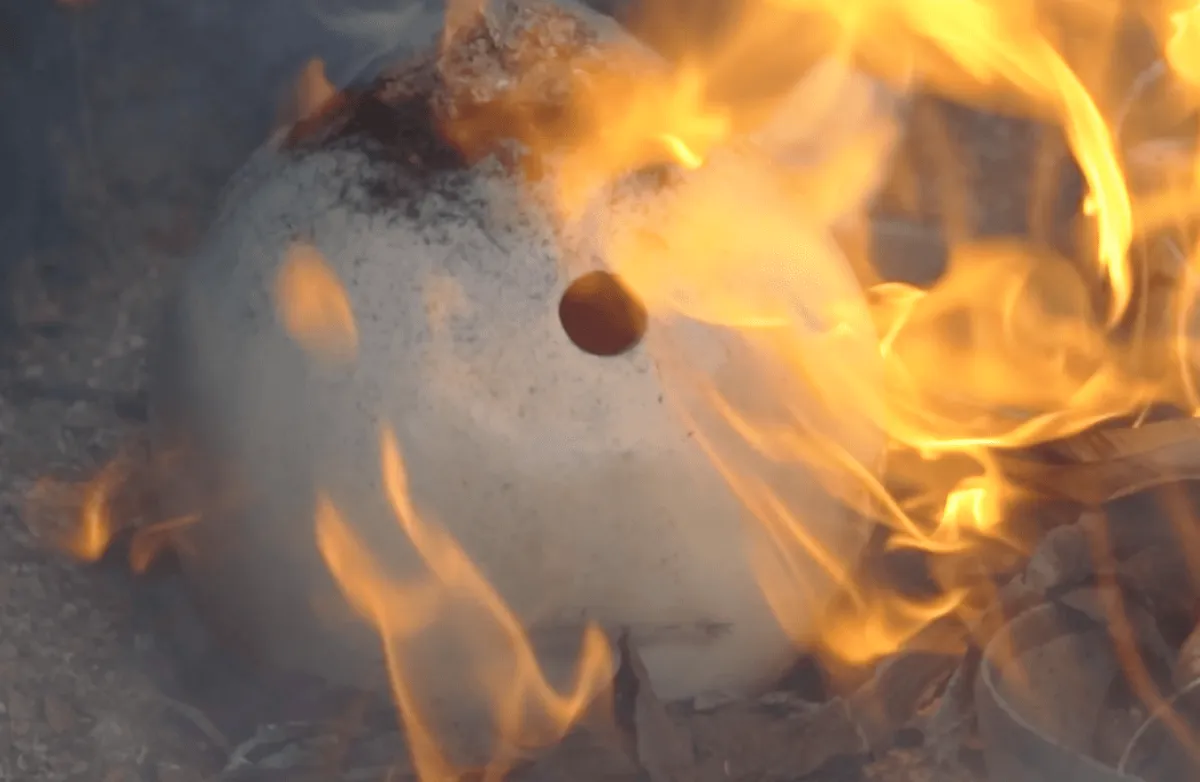
Glazes
Advanced
Select the perfect clay for your vision
Pick the perfect kiln
Apply and layer glazes with precision
Craft stunning overlay effects
Dive into diverse glaze families
Master the art of crystallization
Switch from technique to works of art
Value: $1150
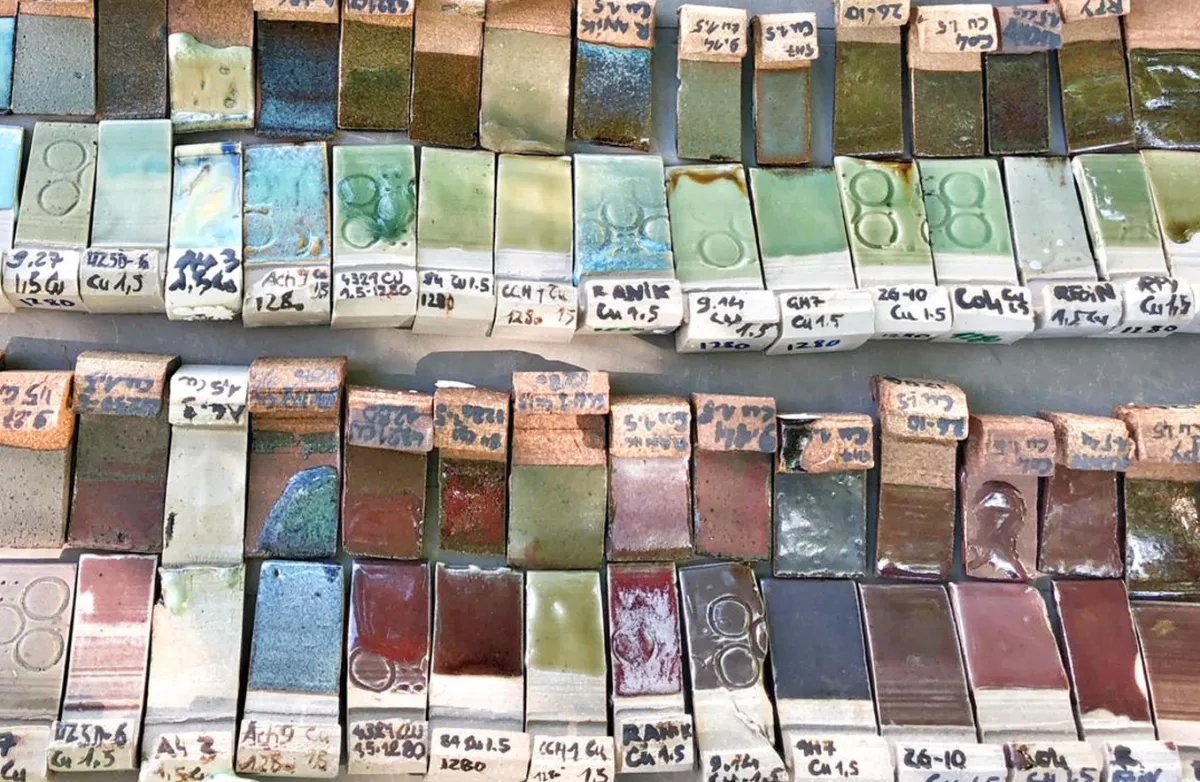
Bonus - Glazy
Software
& Training
Customize recipes to match your local ingredients
Master lightning-fast recipe calculations thanks to this amazing tool
Access an extensive recipe bank for inspiration
Connect and exchange ideas with ceramists from around the globe
Value: $395
4,100 students and growing
We are incredibly proud of the art pieces our students have created, and we can't wait to see yours
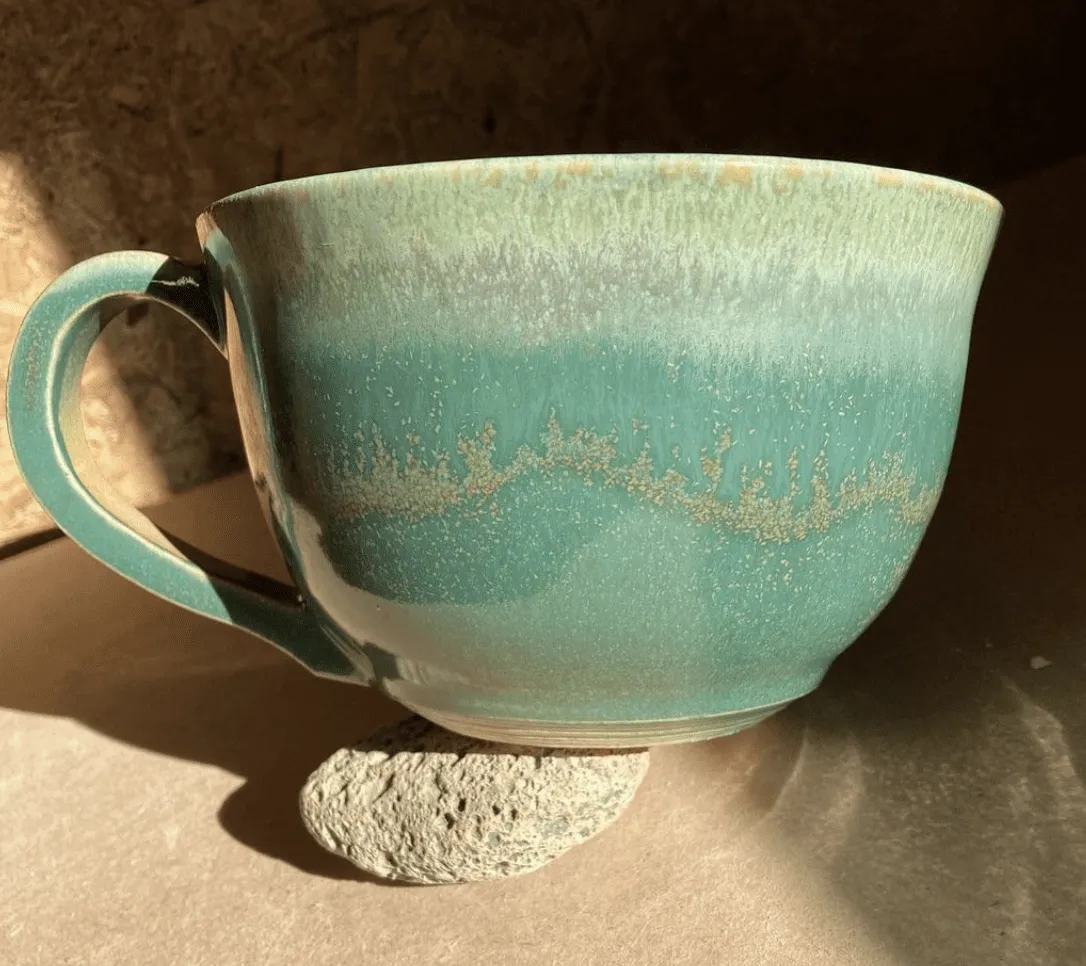
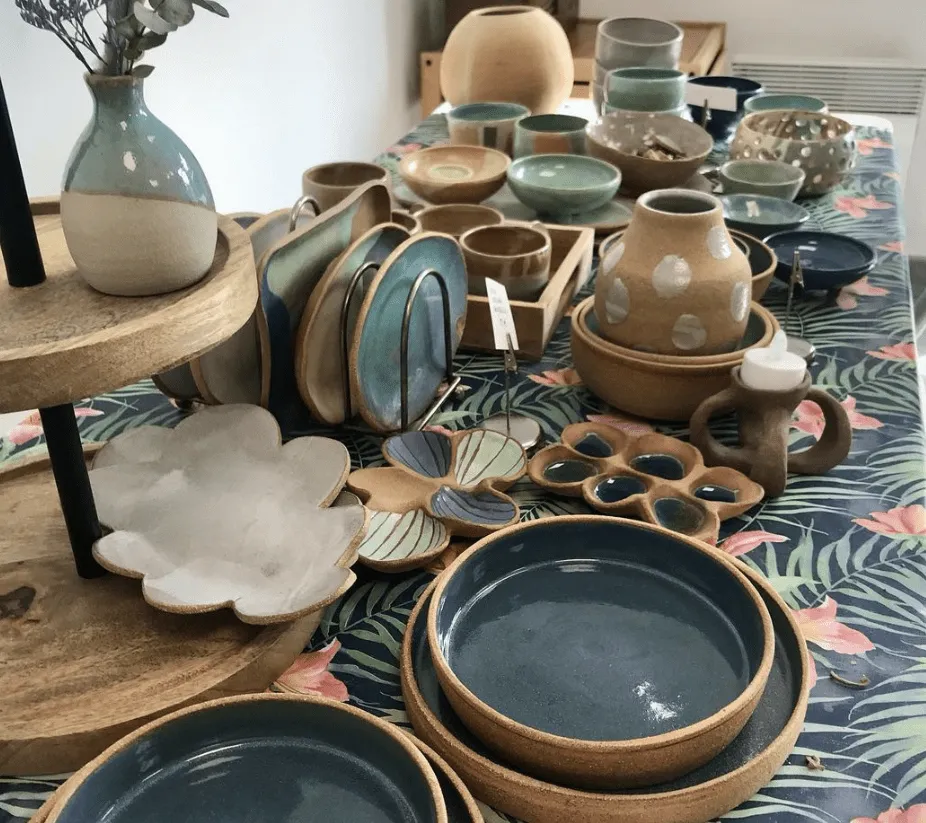
4,100 students, and still growing....
Our students’ experiences are at the heart of everything we do. Their words reflect the passion, growth, and creativity they’ve found in our course.
"I'm enjoying the glaze class and find it systematic and comprehensive. I have not been able to find an online course like this in the United States. I highly recommend it to my fellow potters. Thank you for challenging us to learn and all the hard work you've done for these courses. I very much appreciate it."
Michelle
Online Student
"The instruction offered is of exceptional quality. The course, which is specific and concrete, is extremely well presented in an affective way: a sentence, a piece of information. The illustrations accompany the presentation perfectly."
Rose-Marie
Teacher, former Student
"What you have achieved is remarkable. I had never before found something that is so complete and is approached in such a pedagogical way"

Marc
Online Student
"Matthieu's online courses are a gold mine for anyone who wants to start creating glazes or, like me, get a refresher (3 years after my professional training)."
Anne-Laure
Online Student
"It's wonderfully well explained, with a lot of kindness and professionalism. The attention to detail in the techniques is really impressive, I'm truly delighted. Thank you for sharing your expertise. With all my gratitude."

Helene
Online Student
"I loved the course on glazes. Matthieu succeeded in making me love chemistry. That, I can tell you, is a miracle. Thank you Matthieu for your passion, which you fully share, and for your teaching methods."
Annick
Student
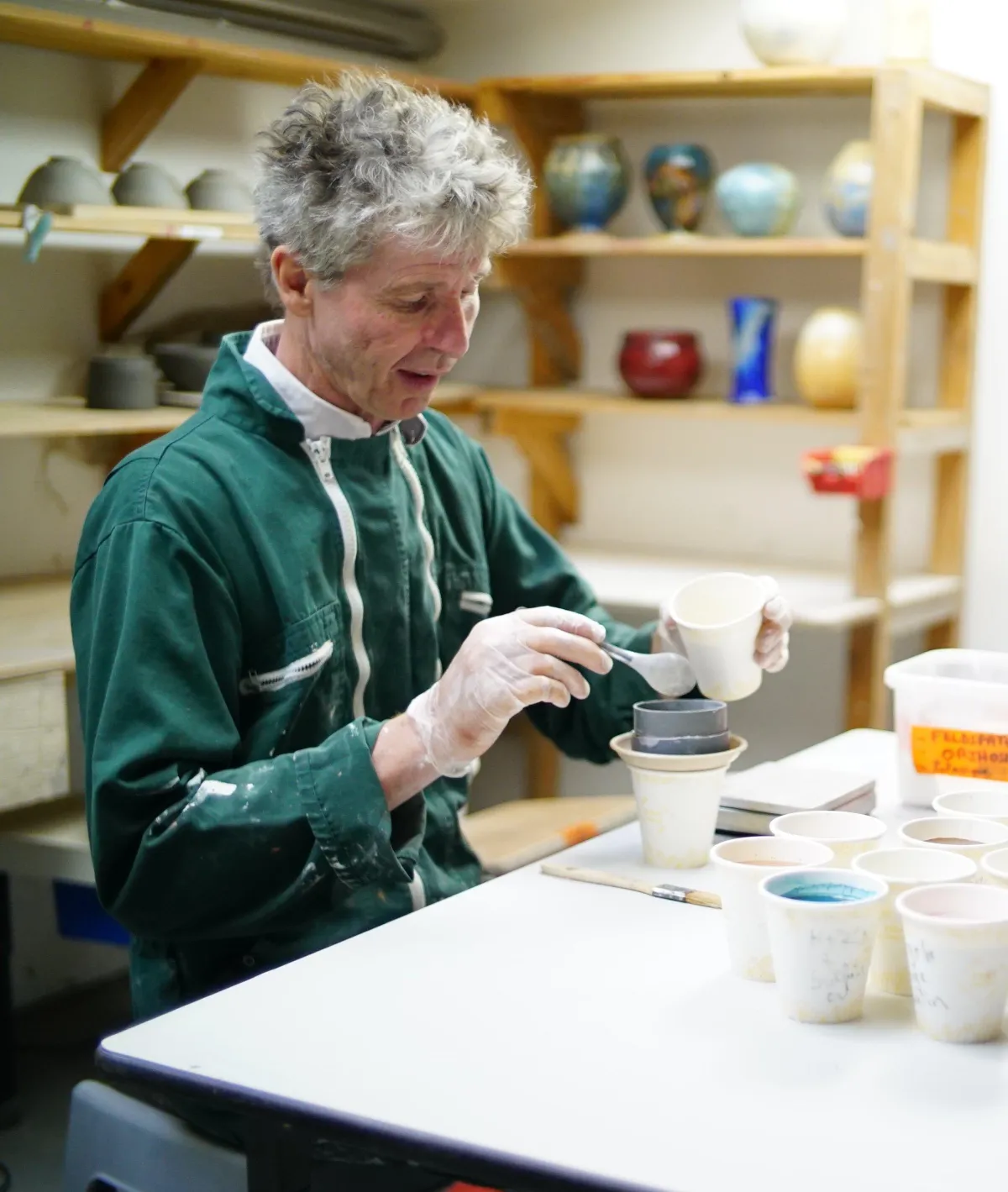
The search for excellence, at all levels...
❝ Making my own glazes, mastering glazing and then firing my pieces has allowed me to create a unique style and to make a living as a ceramist. In this online glazing course, I give you the fruits of 45 years of experience.
Now it’s your turn to find your own style!
These 12 hours of lessons guide you step by step to get you started in the practice quickly and to approach your glaze research with confidence. Whether you are a beginner or a professional, mastering the glazing of your pieces will give you the peace of mind you need to boost your creativity and your profits in ceramics! ❞
Matthieu Liévois, potter-ceramist
Frequently Asked Questions
What does lifetime access means?
This means that the course you buy is yours: you can log in to the member area of the website and watch the videos as often and for as long as you want, without ever having to pay any additional fees.
(We also strongly recommend that you watch the videos several times to fully immerse yourself in the content!)
Any additions or improvements to the course in the future are also included in your purchase: you will have access to them without having to pay anything more.
Do I need to have basic knowledge to take this course?
No. No prior knowledge is required to take this course.
Why buying the basic course and the advanced course at the same time when you are a beginne ?
The basics course will teach you how to mix glaze powders and how to fire your glazed ceramics.
The advanced course covers, among other things, the influence of clay on glaze, the different types of kilns and the choices you have when buying one. It demonstrates all the techniques for applying glaze to pottery: with a brush, dipping, or using a spray gun. These are important things to consider when purchasing your clay and equipment and are very helpful to know when you are starting out.
The parts of the advanced course that deal with the layering of glazes and crystallization also open up interesting perspectives for you from the start.
Math is not my forte: is this course for me?
You don’t need any prior knowledge of math or chemistry. We offer video reminders that cover everything from A to Z: what is a fraction, a percentage, a cross product in math, a chemical formula, orders of magnitude and even molecular weights in chemistry.
You just have to be willing to learn and let go of that old image of yourself or your high school math classes. The lack of a concrete goal is often the reason someone becomes allergic to math, and today, you have a very good reason to learn it.
You should also know that though we consider it very important to do your first calculations of glazes by hand, so that you understand in depth the steps of creating a recipe, you will not have to calculate each of your glazes for the rest of your life: there is good software for this, and we will show you how to use it.
Why can't defects be avoided even with pre-made glaze?
These glazes are designed by manufacturers to avoid defects. If all goes well, there shouldn’t be any.
But the manufacturer tested their glaze on a specific clay, and the clay has a huge influence on the glaze (as does the kiln, the laying of the glaze, and many other parameters). The manufacturer cannot foresee the variations of all these factors.
If your ceramics come out of the kiln with defects, you can try these adjustments:
=> If the glaze has pimples, you have fired at too low a temperature; fire the next kiln a few degrees higher.
=> If the glaze became runny, you fired too high; fire lower next time.
=> But what if you still have one or the other? What if the clay has influenced the colour, and you’re not getting the hue you were hoping for?
In this case, you will not be able to do anything, because you do not know the composition of the glaze. You will not be able to modify it to solve the problem.
Hence the convenience of making your own glazes: you will be able to control all your parameters and will always be able to rectify the situation when a defect appears.
Is it really possible to create your own glazes after only taking this online course?
Yes! Including (more complex) crystallization glazes, if these interest you. Many students have already demonstrated that it is possible!
Of course, like any new skill we learn, it requires commitment, some rigour and training. There will be failures, moments of discouragement and eureka moments. The same goes for wheel-throwing!
What equipment do I need (and how much will it cost)?
To do what is explained in the course, you need at least:
– A precision scale for 100g (10€)
– A precision scale for 10kg (80€)
– Small equipment (whisk, sieve, ladle, cups, basins, brushes, etc. ) (140€)
You can therefore get equipped for around 230 euros. (Prices in France. Prices in different countries may vary.)
Do you talk about the hazards of the products?
Yes! We describe each product, with its qualities and its downsides, including the hazards of handling them and the use of glazes when you make dishes that will hold food.
Overall, when it comes to dishes that will be used for food, the main danger is a matter of proportion between the products (the glaze must be impervious to weak acids, such as lemon juice or vinegar in a salad dressing).
In short, at least 3 moles of silica are needed for 0.3 moles of alumina in a formula, so that the glaze can be used for dishes. Don’t worry if you don’t understand this answer; everything is explained in the course…
Do I need a kiln to take this course?
No: to begin with, you can find a ceramist or a ceramics centre that will rent their kiln; this is quite common.
Suggest that they fire a sample of your clay and your glazes first to give them confidence: low-temperature clay or glaze in a high-temperature kiln can cause significant damage to the kiln. If the potter tries a sample first, they can make sure you have not made a mistake in temperature, without taking any risks for their kiln.
Watching the course before buying a kiln will also allow you to be sure you make the right choice when you purchase one, since an entire video of the course is dedicated to describing the types of kilns, including their advantages and disadvantages.
Why are your example recipes high-temperature glazes?
High-temperature glazes are much easier to make: the lower the melting point of a glaze, the more complex the mixture of products. So we chose to focus on recipes that would be easy to replicate for beginner glaze creators.
You can make low-temperature glazes with exactly the same principles as for high-temperature glazes. Just bear in mind that you usually have to use “frits,” products prepared by manufacturers, which are relatively expensive.
3,340
students online
over 300
new ceramists: trained professionals

7,600
followers on Facebook and 6,300 on Instagram
319,000
views on Youtube